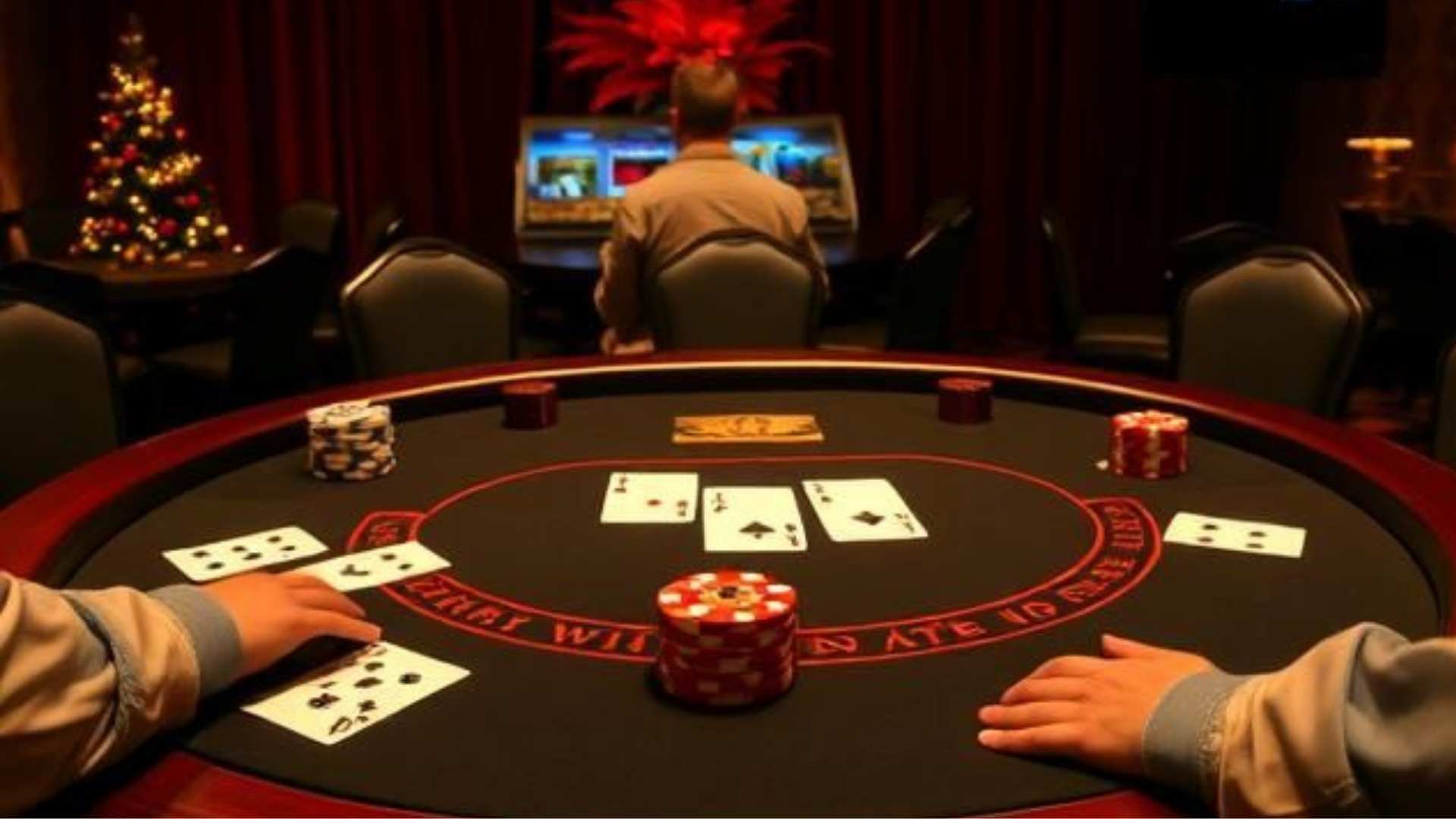
Losing a massive pot in poker is rarely just a financial setback; it triggers a deep psychological reaction that can linger long after the cards are folded. When a player invests significant chips, time, and tactical effort into a single round, watching those resources slide across the table creates an acute sense of distress. Understanding why losing a big hand feels so difficult involves examining cognitive psychology, emotional ownership, and the brain's natural response to sudden loss.
The Psychology of Loss Aversion
Behavioral economists have long documented that human beings experience the pain of losing much more intensely than the pleasure of an equivalent gain. In high-stakes poker hands, this psychological principle known as loss aversion becomes dramatically magnified. The emotional sting of surrendering a major portion of your stack creates an immediate visceral reaction that far outweighs the satisfaction of winning a pot of identical size.
This imbalance occurs because the brain interprets financial and strategic setbacks as direct threats to security and status. When a turn or river card destroys a strong holding, the sudden shift from anticipated victory to defeat generates instant emotional shock. Overcoming this natural cognitive bias requires conscious effort and disciplined mental training.
The Weight of Invested Effort and Expectation
Big pots usually involve complex, multi-street planning where players dedicate substantial mental energy toward constructing a winning strategy. As the pot grows, so does a player's sense of psychological ownership over the outcome. When the final result fails to match the expected reward, the abrupt disruption creates severe cognitive dissonance.
Modern players often practice strategic scenarios and analyze hand histories through digital tools like the m88 app to refine their decision-making skills under pressure. However, even well-prepared competitors struggle when a heavily calculated play results in a massive loss. The feeling that your dedication and analytical effort went unrewarded makes the outcome particularly painful to accept.
Ego, Identity, and Table Image
For many competitors, a big hand represents more than just a accumulation of chips; it acts as a test of skill, intellect, and table dominance. Losing a high-visibility showdown can feel like a public invalidation of one's strategic capabilities. The fear of appearing foolish to opponents often amplifies the emotional distress following a major defeat.
This blow to the ego frequently triggers emotional instability, leading to irrational plays known as tilt. Players may feel an urgent, misguided impulse to immediately win back their lost chips to restore their reputation. Recognizing that individual hand outcomes do not define overall player competence is vital for maintaining long-term stability.
Reframing Setbacks for Long-Term Growth
Accepting severe losses as an inherent component of variance is what separates casual enthusiasts from truly resilient players. Professional strategists focus on evaluating the quality of their decisions rather than fixating on short-term results. If a big hand was played correctly according to mathematical odds, the loss should be viewed as an unavoidable statistical variance.
Developing this detached perspective prevents negative feelings from ruining future decision-making. By analyzing critical mistakes objectively and letting go of emotional baggage, players protect their bankrolls and mental health. Reframing major losses as valuable learning opportunities transforms painful moments into essential stepping stones toward long-term success.