Baccarat is celebrated worldwide for its elegant simplicity, yet seasoned players understand that the game is far from uniform. Across different regions and digital platforms, subtle modifications to the core framework have created distinct variants that cater to diverse playing styles. Pinpointing exactly what sets these versions apart relies on examining who controls the bankroll, how card dealing choices are managed, and the overall physical or digital scale of the table setup.
The Balance of Power and Bankroll Ownership
In mainstream options like Punto Banco, the casino maintains total control over the gaming bankroll and manages all financial liabilities automatically. Players are restricted to betting on predetermined outcomes, meaning the house dictates the absolute flow of the game. This setup minimizes complex choices, which makes it an ideal format for beginners looking for a straightforward entertainment session.
Conversely, traditional European adaptations completely shift this financial responsibility directly onto the participants sitting around the felt. In variants like Chemin de Fer, players take physical turns acting as the banker, actively risking their own funds against the table. This structural shift transforms a passive guessing game into a highly social, community-driven event where personal capital is on the line.
Player Autonomy and Hidden Strategic Decisions
The level of active decision-making allowed during card distribution marks another massive point of divergence between popular variants. Standard modern baccarat relies heavily on fixed, mandatory drawing rules where a third card is given based on strict value thresholds. This means the cards essentially play themselves, leaving participants to simply observe the round after placing an initial stake.
Historic versions reintroduce human agency by allowing specific table positions the freedom to accept or decline an additional card. Holding a total of five allows tactical choices that can manipulate the final outcome or influence how the opposition behaves. Embracing these advanced variations often requires a reliable digital setup, which is why many enthusiasts turn to the modern m88 app to explore immersive live tables that replicate these precise traditional rules.
Table Layout and Structural Mechanics
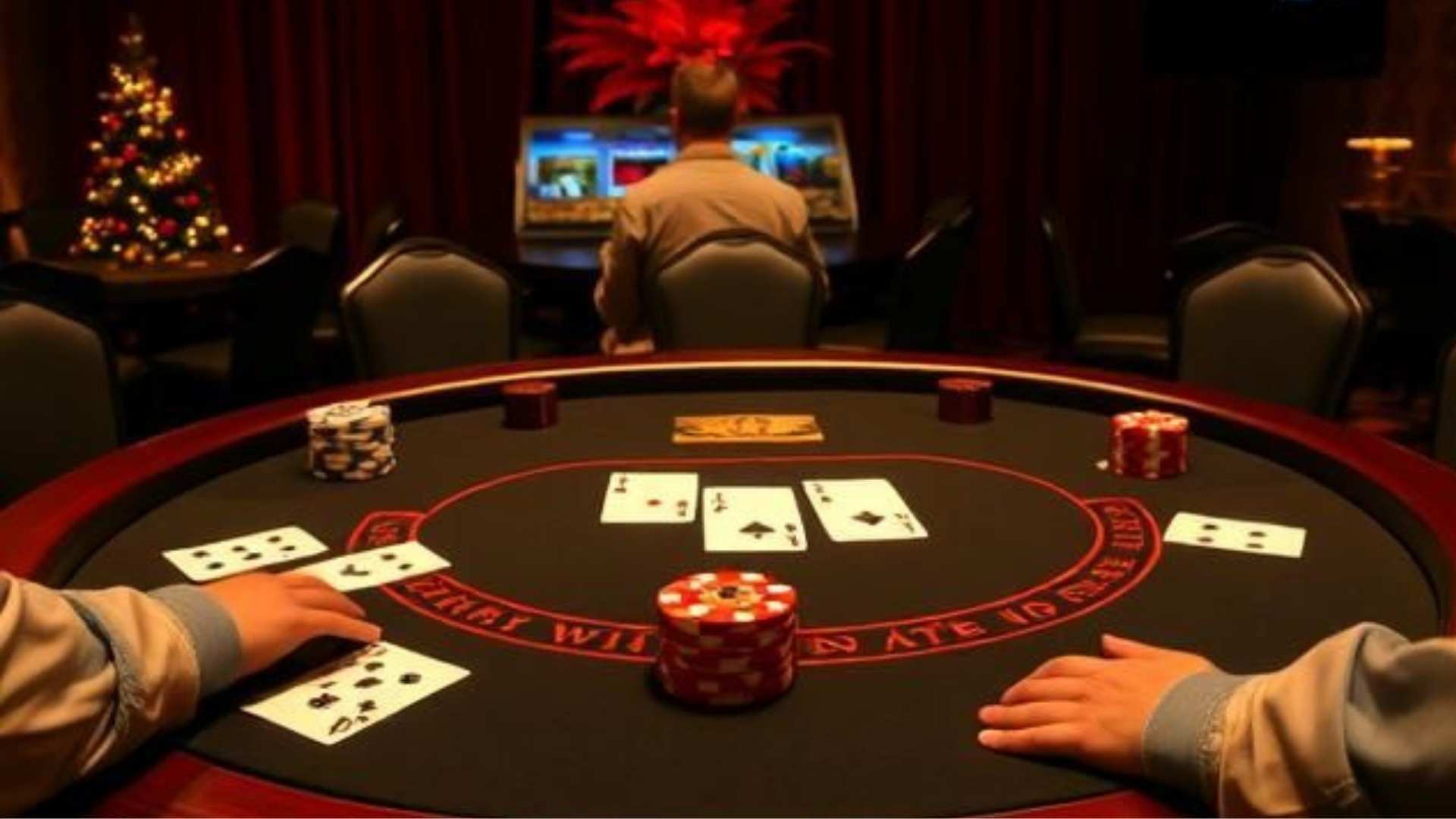
Beyond personal choices and financial setups, the physical architecture of the table alters how each game feels and operates. Formal setups often utilize massive tables handled by multiple casino employees, creating a slow and highly ceremonial atmosphere. These high-stakes environments focus on traditional card-squeezing rituals that build intense psychological tension during a session.
Downscaled variations optimize the experience for speed and casual interaction by using a compact seating arrangement. A singular dealer manages every aspect of card distribution, stripping away lengthy ceremonies to dramatically increase the volume of hands played per hour. These distinct alterations ensure that every enthusiast can discover a specific baccarat format that aligns perfectly with their preferred speed and budget.