The mental aspect of poker is often what separates seasoned professionals from casual players. While mastering hand rankings and basic mathematical odds is essential, the ability to manage your emotions and read table dynamics determines your long-term success. Developing a strong psychological framework allows you to make objective decisions under intense pressure.
Recognizing and Controlling Emotional Tilt
Tilt is one of the most destructive psychological obstacles a player can face at the table. It typically occurs after a bad beat or a series of losses, leading to impulsive and emotionally driven decisions. Recognizing the early physical and mental signs of frustration is the first step toward maintaining control.
To combat tilt, successful players establish strict personal boundaries and emotional check-ins during their sessions. Taking a brief walk or stepping away from the table can help clear your mind and restore logical thinking. Cultivating emotional stability ensures that short-term variance does not ruin your entire bankroll strategy.
Observing and Deciphering Opponent Behavior
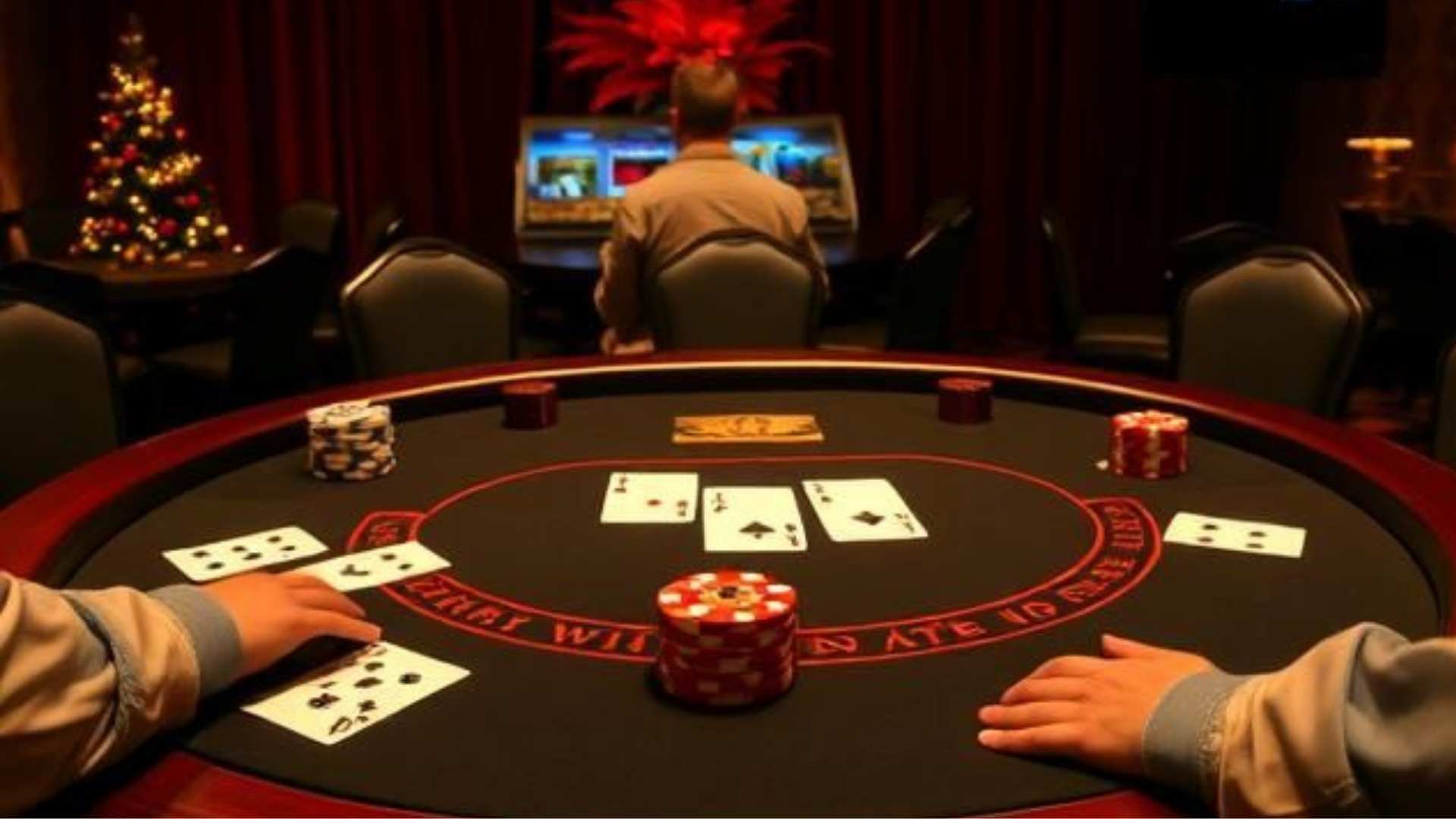
Every action your opponents take provides valuable clues about their current mental state and strategic approach. By paying close attention to betting patterns, physical reactions, and reaction times, you can begin to map out their playing styles. This systematic observation helps you move away from guesswork and toward logical deduction.
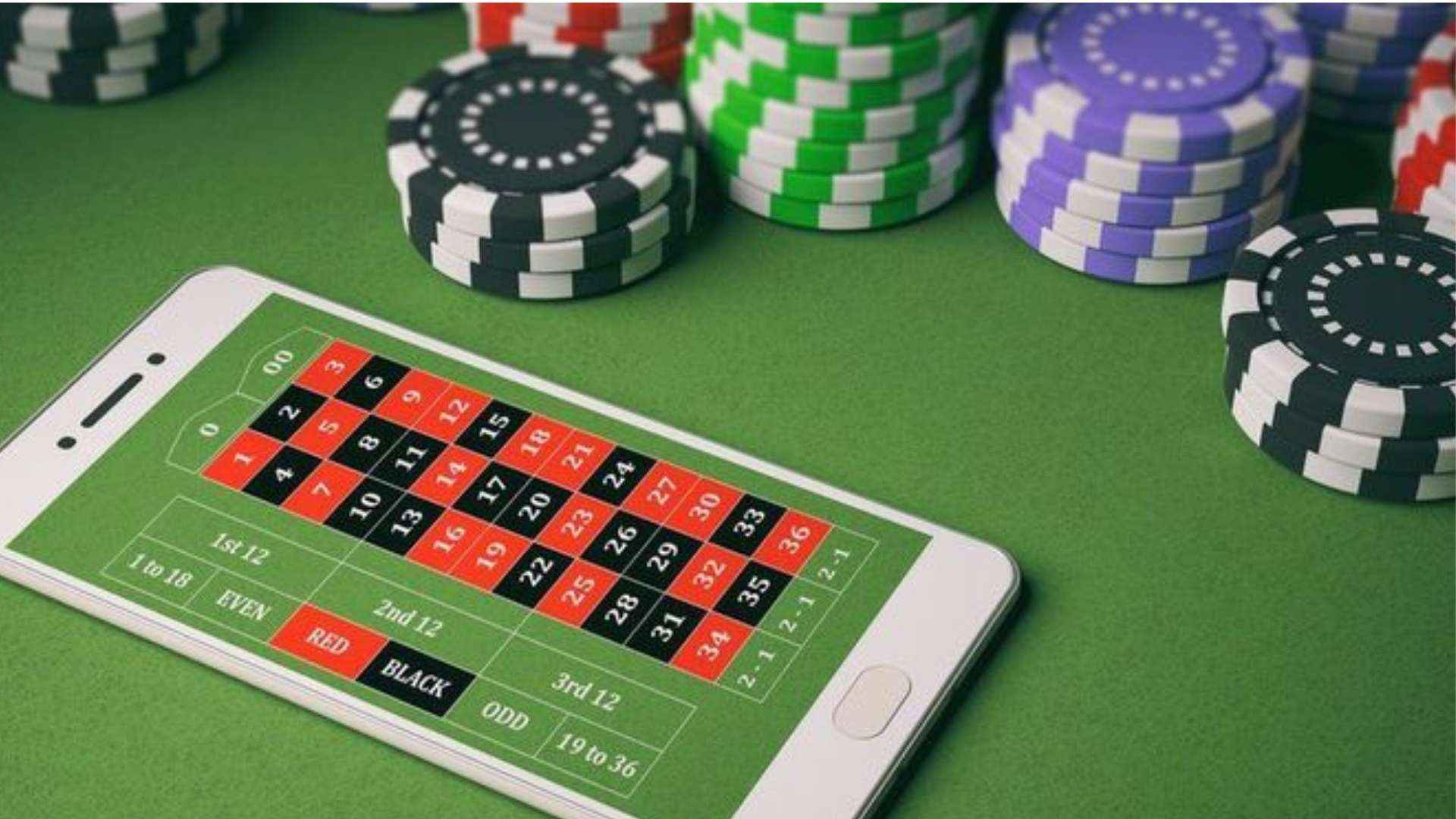
It is important to remember that psychological patterns can vary significantly between live and digital setups. For those playing online, finding a reliable platform like M88 asia offers an excellent space to observe virtual betting habits and timing tells. Tracking how players react after winning or losing a large pot will reveal their strategic vulnerabilities.
Developing Disciplined Decision Making
Consistency in poker is built on a foundation of disciplined decision-making rather than relying on gut feelings. Experienced players focus entirely on the quality of their choices rather than the immediate outcome of a single hand. This analytical mindset helps reduce the anxiety associated with statistical variance.
Maintaining a structured routine before and during your games reinforces your strategic boundaries. Documenting your hands and reviewing your play after each session allows for objective self-reflection. Over time, this disciplined approach turns complex psychological adjustments into natural habits.
The Power of Table Image and Deception
Your table image is the collection of perceptions and assumptions that your opponents form about your playstyle. Crafting a conscious image allows you to manipulate how other players react to your bets and raises. By occasionally shifting between aggressive and passive play, you keep your adversaries guessing.
Using deception effectively requires a deep understanding of how your opponents view your previous actions. If you have played tightly for several hours, a sudden bluff carries significantly more weight and credibility. Mastering this strategic manipulation of perception is a hallmark of advanced poker psychology.